Shanghai Mahjongg
UniRise StudioBoard
4.83.40K Reviews
- Version
- 3.1.1
- Installs
- 1.00M
- Age Rating
- Everyone
Screenshots
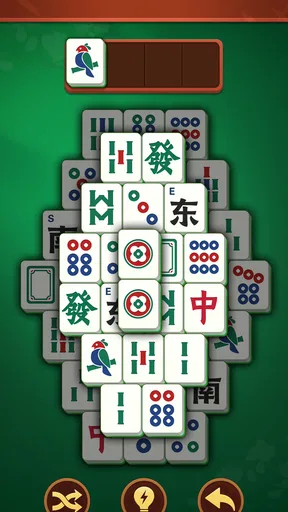
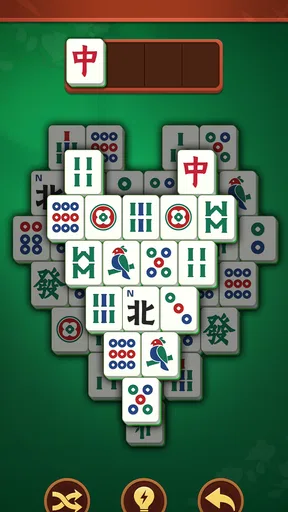
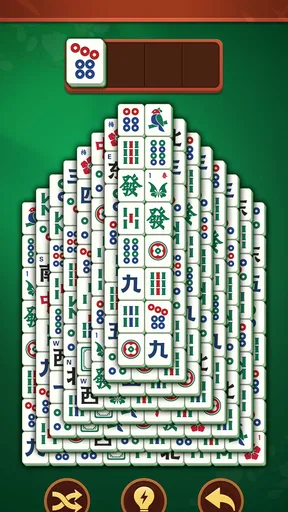
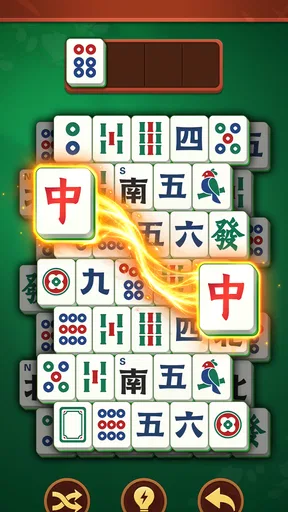
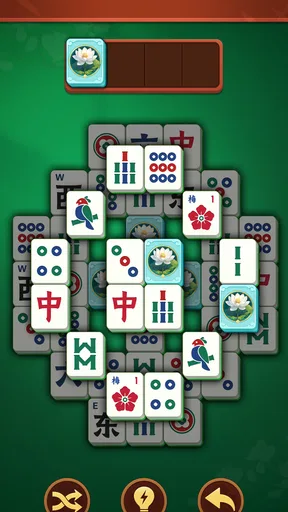
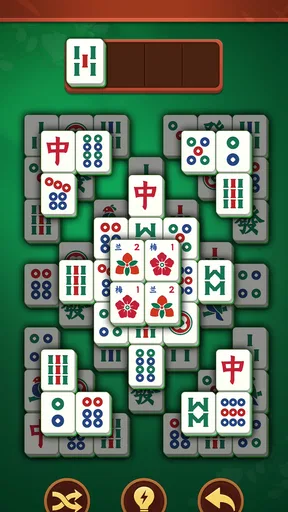
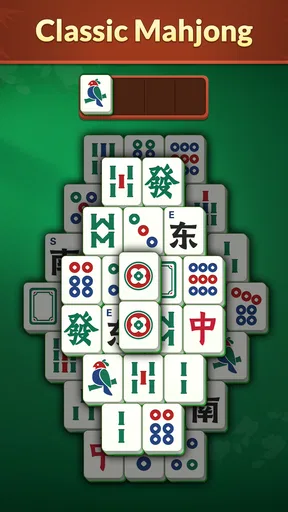
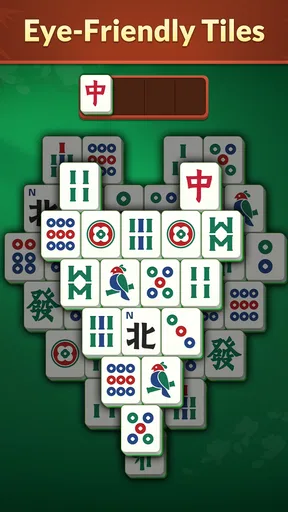
Our Review of Shanghai Mahjongg
 Analysis by Appyee
I spent time with Shanghai Mahjongg as a straightforward way to play classic tile-matching puzzles without turning the experience into a complicated hobby. It is a free board game from UniRise Studio, built around the familiar Shanghai Mahjongg format: clear matching tiles from a layered arrangement until the board is empty. That simple goal makes it easy to understand, but the quality of a Mahjong solitaire game depends on details such as touch response, visual clarity, pacing, and how comfortably it runs during short or extended sessions.
My overall impression is that this is best approached as a focused, traditional puzzle game rather than a feature-heavy social platform or a modern strategy title. The store summary calls it a classic Mahjong Solitaire game, and that is a fair description of its identity. It does not need a long tutorial to make sense, which is useful when I want something I can open during a quiet break, play for a few minutes, and put down without losing track of a larger campaign.
The game has reached more than a million installs and holds a 4.8 average from roughly twenty-three thousand ratings, with about three thousand four hundred written reviews. Those figures suggest that its uncomplicated format has connected with a substantial audience. Still, popularity alone would not be enough for me to recommend it, so I paid closer attention to how it feels in ordinary use, where it may slow down or become less convenient, and which players are likely to enjoy its restrained approach.
How Shanghai Mahjongg feels in everyday play
I find Shanghai Mahjongg easiest to enjoy when I treat each board as a small exercise in choosing what to uncover, rather than a race to clear matches. I’ll look at how that first move sets the pace and why a quick scan can be more useful than tapping the first pair I notice.
Quick starts and a calm pace
The biggest strength here is the low barrier to entry. I do not need to learn a collection of special rules before making the first move. The familiar board arrangement and matching logic communicate most of what matters visually. That makes the game suitable for someone discovering Mahjong solitaire as well as for a player who already knows the format and simply wants another board to solve.
Its perceived speed is tied less to dramatic animation and more to how quickly I can recognize available pairs, tap them, and continue planning. A good session feels steady rather than rushed. That is important for this type of puzzle: if the presentation were frantic, it would work against the concentration the game is supposed to encourage. Shanghai Mahjongg is more appealing when I treat it as a quiet mental reset than as a timed arcade challenge.
In a realistic everyday situation, I would use it while waiting for an appointment or during a short commute when I am not driving. I can begin a board without committing to a long narrative sequence, focus on the open tiles, and stop when I need to move on. That makes it more practical than many strategy games that punish interruptions or require me to remember a complicated objective.
There is also a useful distinction between speed and responsiveness. A simple board game does not need demanding graphics, but it does need taps to feel dependable. When the layout is crowded, I want to know whether a pair is genuinely unavailable or whether I simply selected the wrong area. Clear tile separation and a readable board matter more to me than decorative effects. For players with smaller screens, this becomes especially important because a compact arrangement can make mistakes easier to make.
What happens during longer sessions
Short sessions are where the game makes the strongest case for itself. The familiar rules let me settle in quickly, and the board-by-board structure suits moments when I want a contained task rather than an open-ended game. Longer sessions are more dependent on personal tolerance for repetition. If I enjoy scanning layouts and thinking several moves ahead, the simplicity remains relaxing. If I need constant novelty, the traditional format may start to feel narrow.
Heavy use in this context is not the same as pushing a high-end action game. The more demanding moment is likely to be a long sequence of boards, repeated touch input, and sustained visual attention rather than complex rendering. I would expect the game to feel most comfortable when the device is not already overloaded with other active tasks. That is a sensible expectation for a lightweight board title, but it also means the game’s appeal rests on consistency rather than spectacle.
One practical habit improves the experience: I try not to remove the first available pair automatically. In Mahjong solitaire, an apparently obvious match can expose or hide tiles in ways that affect later choices. I look for moves that open the widest part of the layout, especially when several pairs are available. That approach makes the game feel more strategic and reduces the frustration of reaching a nearly finished board with no useful move left.
Another useful approach is to pause mentally before tapping when the board becomes visually dense. I scan from the outside inward, identify tiles that are actually free, and then compare matching symbols. This is more reliable than rapidly tapping every pair I notice. It also turns the game into a better concentration exercise, because success comes from managing access to the board rather than merely spotting identical images.
Reliability, interruptions, and recovery
For a puzzle game, reliability means more than avoiding crashes. I also want the current board to remain understandable after I switch away briefly, receive a notification, or return later in the day. The game’s uncomplicated structure works in its favor here because there is no large world or elaborate set of systems to reconstruct mentally. When I come back, the central question is simply which tiles remain available and what my next useful move should be.
I would still avoid treating any mobile game as a substitute for saving important work. If I am in the middle of a carefully planned board, I prefer to finish a natural group of moves before closing the app rather than relying on an interruption to be handled perfectly. That is not a criticism unique to this title; it is a sensible habit whenever a game’s exact recovery behavior is not something I want to gamble on.
The same advice applies when the phone is low on memory or busy with several demanding apps. Closing unnecessary background activity before a long session can reduce general device friction. Since this is a board game rather than a graphically intense 3D release, I would choose it specifically when I want a modest workload, but I would not claim that every device will behave identically under every condition.
Version 3.1.1 gives the game a current software identity, while its minimum requirement of Android 7.0 makes it accessible to older Android phones and tablets. That broad compatibility is valuable for people who keep an older device as a backup or use a family tablet for casual games. At the same time, an older operating system does not guarantee identical touch accuracy, screen scaling, or general responsiveness across all hardware, so expectations should remain realistic.
Device fit and visual comfort
Shanghai Mahjongg is naturally suited to phones because its core interaction is based on selecting visible tile pairs. A larger tablet screen could make the board easier to inspect, particularly for players who find small symbols tiring to distinguish. The trade-off is that a phone is more convenient for spontaneous play, while a tablet may offer a calmer and more comfortable view during extended sessions.
Screen size also affects error recovery. If I accidentally tap an adjacent tile, the problem is not just a missed move; it interrupts the visual rhythm of comparing symbols. Players with older eyes, limited dexterity, or a device with a smaller display should take a little more time when selecting tiles. The game’s classic design is approachable, but classic does not automatically mean equally comfortable on every screen.
The Everyone content rating makes the game a reasonable choice for a broad household audience. I would still judge it by the individual player’s preferences. Someone looking for competitive multiplayer, a story, or a rich collection of character upgrades will not find the same kind of engagement here. The age rating speaks to general suitability, not to whether the game matches a particular person’s idea of fun.
Resource demands are another reason this title may work well on modest hardware. A tile board does not suggest the same pressure as a visually complex game, and the basic format should be easier to accommodate on older devices than a current action release. I would describe that as a practical expectation, not a measured guarantee. The actual experience can still depend on the phone’s condition, available storage, background activity, and screen response.
Free access and the role of purchases
The game is free to install, which lowers the risk of trying it. That matters for a familiar puzzle format because not everyone will want to spend money before learning whether the visual style and pacing suit them. I can test the basic experience first and decide whether it deserves a regular place on my phone.
In-app purchases are listed at $5.99 per item. That is worth keeping in mind before handing the game to a child or sharing a device with someone who may tap through purchase prompts quickly. I prefer to think of the free entry as a chance to evaluate the game, not as a promise that every optional element will remain free. Anyone managing a family device should use the platform’s purchase controls and make sure the account settings match the household’s expectations.
The purchase model also affects who should choose this game over a paid alternative. If I want a completely self-contained experience with no optional spending to consider, a one-time paid Mahjong title may feel cleaner. If I would rather avoid paying up front and am comfortable deciding later, this free version is more flexible. The right choice depends on whether convenience at the start or simplicity around payments matters more to me.
Where it differs from other board-game choices
Compared with a physical Mahjong solitaire book, the app is easier to carry and faster to reset. I do not need a table, pencil, or fresh printed layout. The digital format also makes it natural to play in short intervals. The physical alternative wins for people who enjoy writing notes, avoiding screens, or slowing the activity down even further.
Compared with competitive online board games, Shanghai Mahjongg is more private and self-contained. There is no need to wait for another player or match my schedule to someone else’s. That makes it a better fit for quiet concentration, but a worse choice if the main reason I play board games is conversation, rivalry, or shared progression.
Compared with elaborate puzzle apps, its traditional focus is both an advantage and a limitation. I spend more time reading the board and less time navigating menus or learning layered systems. However, players who need daily challenges, story chapters, collectible items, or frequent rule changes may find the experience too restrained. The game succeeds by staying close to the classic format, so I would not choose it expecting a broad entertainment package.
Small techniques that make boards easier
My first recommendation is to protect future access rather than chase immediate matches. When two pairs are available, I favor the move that exposes more tiles or opens a side of the arrangement. This is a more reliable way to think than simply clearing whatever pair catches my eye first. It turns a familiar matching activity into a sequence of small decisions about visibility and options.
My second recommendation is to use a deliberate scan pattern. I check the left and right edges, then the upper layers, before returning to the center. A consistent routine helps me avoid overlooking a free tile hidden among similar shapes. It is especially useful on a phone, where repeatedly zooming my attention into one small area can make the rest of the board disappear from awareness.
My third recommendation is to treat an apparently stuck position as a planning lesson before assuming the game has failed. I review the remaining exposed tiles and ask which earlier choice reduced access. That habit helps me improve on the next board, even when the immediate position cannot be rescued. It also prevents the common mistake of blaming the app for a layout that became difficult because of an avoidable sequence.
For longer play, I would divide sessions into small goals: clear one section, open a blocked layer, or finish a board before taking a break. This keeps the game from becoming a blur of repeated taps and makes it easier to stop naturally. It is a simple adjustment, but it improves the sense of progress without requiring extra systems or rewards.
Who should install it, and who should skip it
I would recommend Shanghai Mahjongg to someone who wants a familiar solo puzzle, especially if that person values quick access, calm decision-making, and compatibility with an older Android device. It is also a sensible choice for players who want to try Mahjong solitaire without paying before they know whether the format will hold their attention.
I would be more cautious about recommending it to players who need a strong sense of variety. If your ideal board game includes live opponents, a campaign, rich customization, or constant new mechanics, this traditional approach may feel too limited. I would also point screen-sensitive users toward a larger device if possible, because recognizing small tile details is central to enjoying the game.
The purchase options are another reason some people may prefer a different title. A paid alternative can be more appealing when the goal is a clearly defined, one-time transaction. On the other hand, the free starting point is useful for casual players who may only open the game occasionally and do not want to commit immediately.
My performance verdict after regular use
Shanghai Mahjongg feels most convincing as a modest, focused board game that should suit short sessions and older Android hardware better than demanding visual releases. Its speed expectations are reasonable for the format, and its main workload comes from sustained attention rather than complicated graphics. I would not present it as a technical showcase, but that is not what this game needs to be.
Its real test is whether the board remains clear, the taps remain manageable, and returning to a puzzle feels inviting rather than burdensome. For me, the traditional rules and low commitment make it easy to revisit. The limitations are equally clear: the experience can become repetitive, small screens may reduce comfort, and the optional purchase structure may not suit people seeking a completely transaction-free game.
UniRise Studio has kept the identity focused enough that I know exactly when I would open it: during a quiet pause, when I want a puzzle with familiar rules and no pressure to coordinate with other players. At no cost to begin, an Everyone rating, and support for Android 7.0 and later, it is accessible to a wide range of casual players. My recommendation is strongest for anyone who wants a dependable Mahjong solitaire routine, not a broad board-game platform.
Verdict
Strengths of Shanghai Mahjongg
- Relaxing tile-matching gameplay suitable for short sessions.
- Traditional Chinese-themed visuals create a distinctive atmosphere.
- Multiple layouts provide variety beyond the classic board.
- Simple controls make it accessible for beginners.
- Offline play is useful when traveling or without a connection.
Limitations of Shanghai Mahjongg
- Some puzzles may feel repetitive after extended play.
- Hints or assistance can reduce the challenge for experienced players.
- Small tiles may be difficult to read on compact phone screens.
- Difficulty balance may vary noticeably between different layouts.
- Ads may interrupt gameplay in the free version.
Other Releases by UniRise Studio
View All
Fluffy Drop - No Timer
Trivia4.5
Similar Picks in This Category
View All
Ludo King®
Gametion4.1

Ludo
Yarsa Games4.6

Tile Master® - Matching Game
Higgs Studio3.6

Checkers Online
CC Games4.6

Dominoes
Loop Games4.7

Chess
Chess Prince4.6
Frequently Asked Questions
What is Shanghai Mahjongg, and how is it played?
Shanghai Mahjongg is a tile-matching puzzle game inspired by the traditional Chinese game, but it usually uses solitaire-style rules rather than multiplayer mahjong rules. Your objective is to remove matching, exposed tiles from a layered board until the layout is cleared. Each move requires planning because removing the wrong pair can block useful tiles and leave the puzzle unsolvable.
Is Shanghai Mahjongg suitable for beginners?
Yes, Shanghai Mahjongg is generally accessible to beginners because the core gameplay is easy to understand: find two identical tiles that are free on at least one side and not covered by another tile, then match them. However, later layouts can become more challenging. Helpful features such as hints, tile shuffling, undo options, or tutorials may vary depending on the version you download.
Can I play Shanghai Mahjongg offline?
Many Shanghai Mahjongg versions support offline play, making them convenient for travel, commuting, or situations without an internet connection. Nevertheless, some editions may require online access for advertisements, cloud saves, daily challenges, leaderboards, or updates. It is worth checking the store listing and the game’s permissions before downloading if offline availability is especially important to you.
Does Shanghai Mahjongg contain advertisements or in-app purchases?
The answer depends on the specific Shanghai Mahjongg edition, since several similarly named games may be available for Android and iOS. Free versions commonly include advertising, while optional purchases may remove ads, provide hints, unlock layouts, or add extra features. Review the app-store pricing information carefully, especially if children will use the device or purchases are restricted.
What should I check before downloading Shanghai Mahjongg?
Before downloading, confirm that you are choosing the intended Shanghai Mahjongg app because similarly titled games can have different developers, graphics, rules, and monetization systems. Check the required operating-system version, download size, ratings, recent reviews, privacy details, and whether the game includes hints, undo tools, statistics, or multiple tile layouts. These details can significantly affect the overall experience.
Play our best games!


